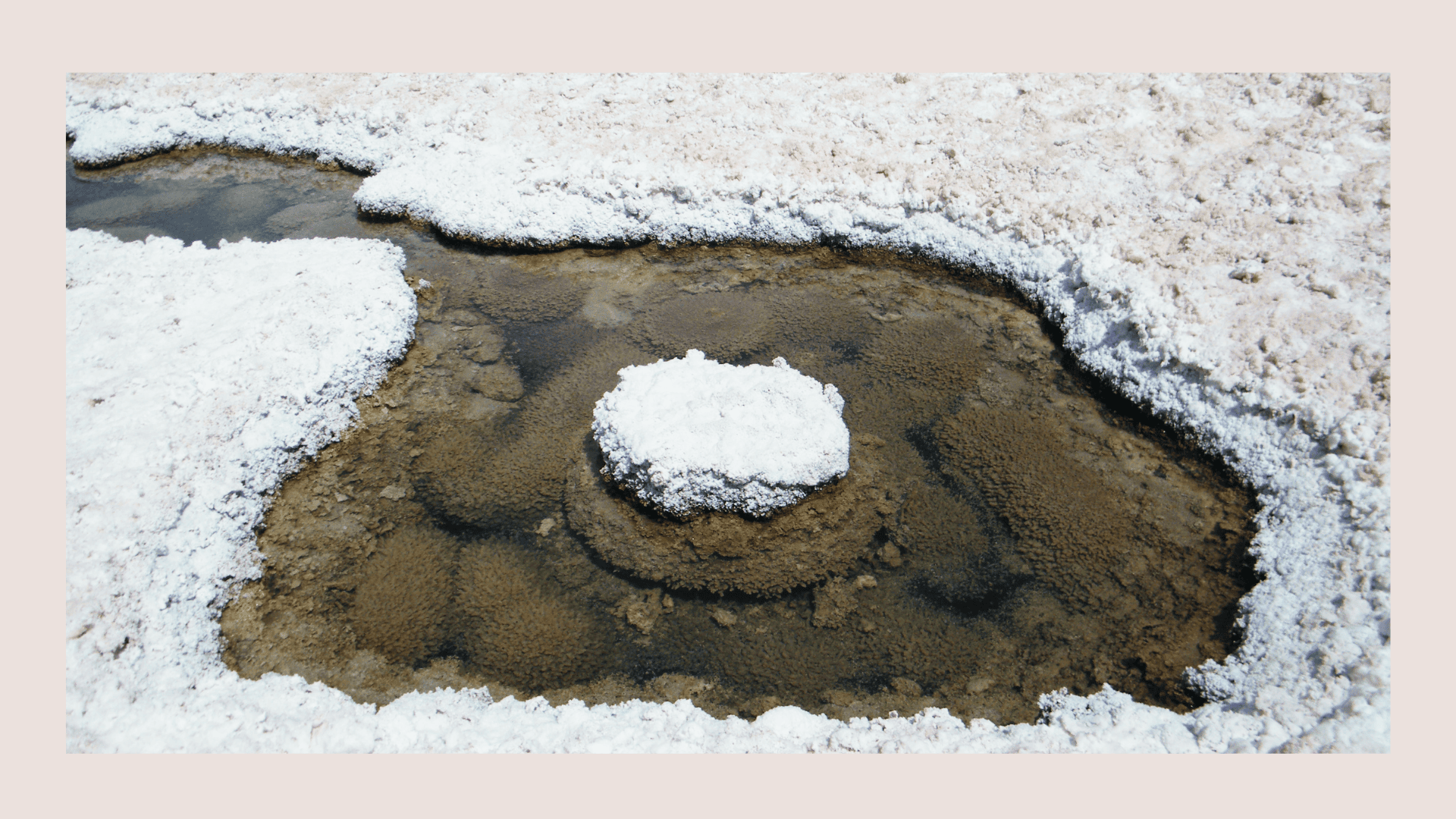
In this thought-in-progress piece, historian Juan Felipe Hernandez Gomez, traces the ecological violence embedded in lithium extraction across two desert sites: Rhyolite Ridge in Nevada and the Salar de Llamara in northern Chile. In the face of the threatened extinction of Tiehm’s buckwheat and the precarity of brine-dependent microbial life, Hernandez Gomez asks what kind of green future is being built when decarbonization depends on new forms of sacrifice.
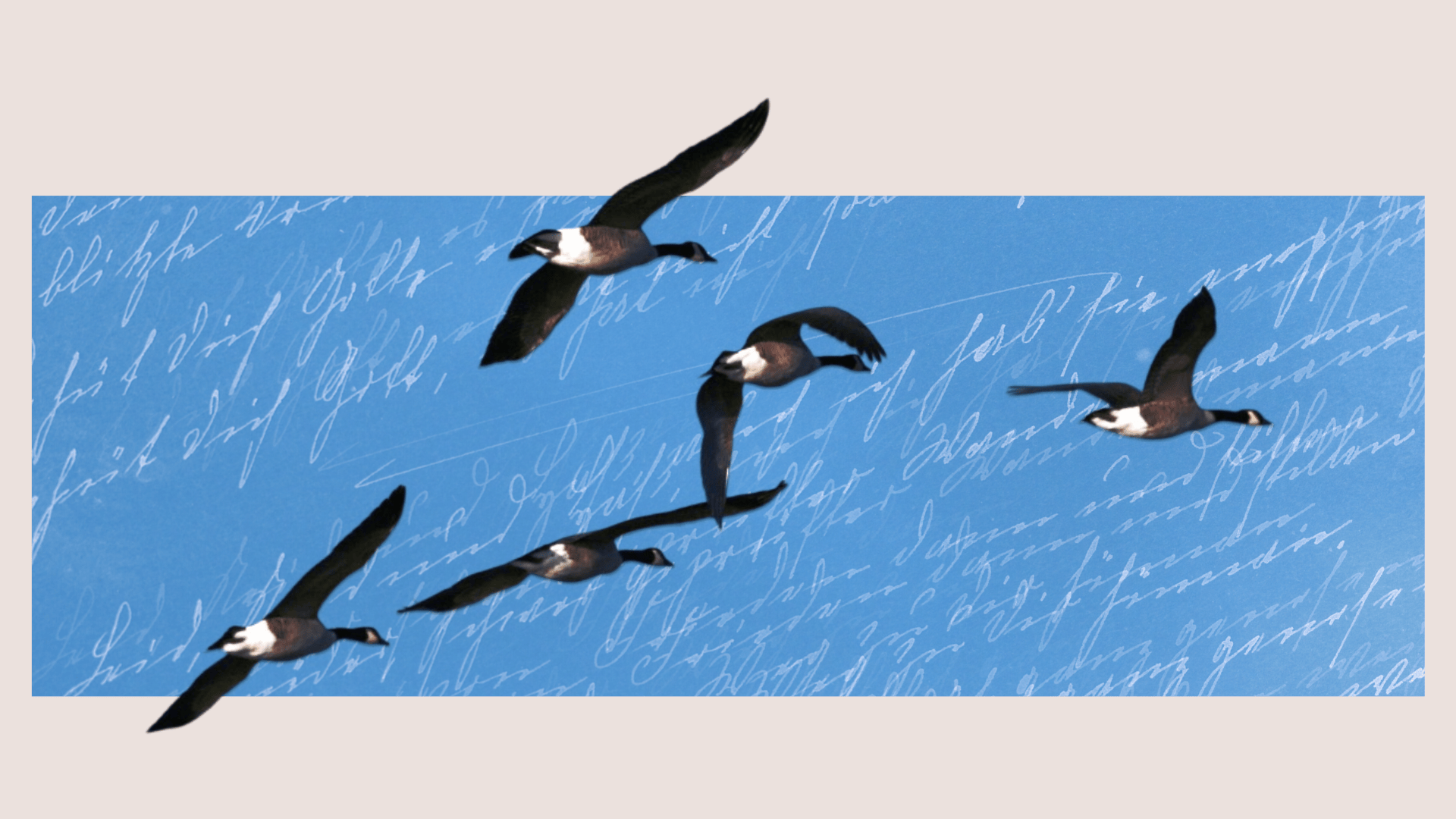
Melanie Dennis Unrau shares a poem from her new collection, "Goose," and offers some context for it in the life and writing of an unlikely worker-poet, Sidney Clarke Ells, the self-styled “father of the tar sands.” Unrau's work examines how literary form registers the contradictions of settler attachment, ecological destruction, and nation-building at the origins of the tar sands, and what it means to read, and remake, those texts now.
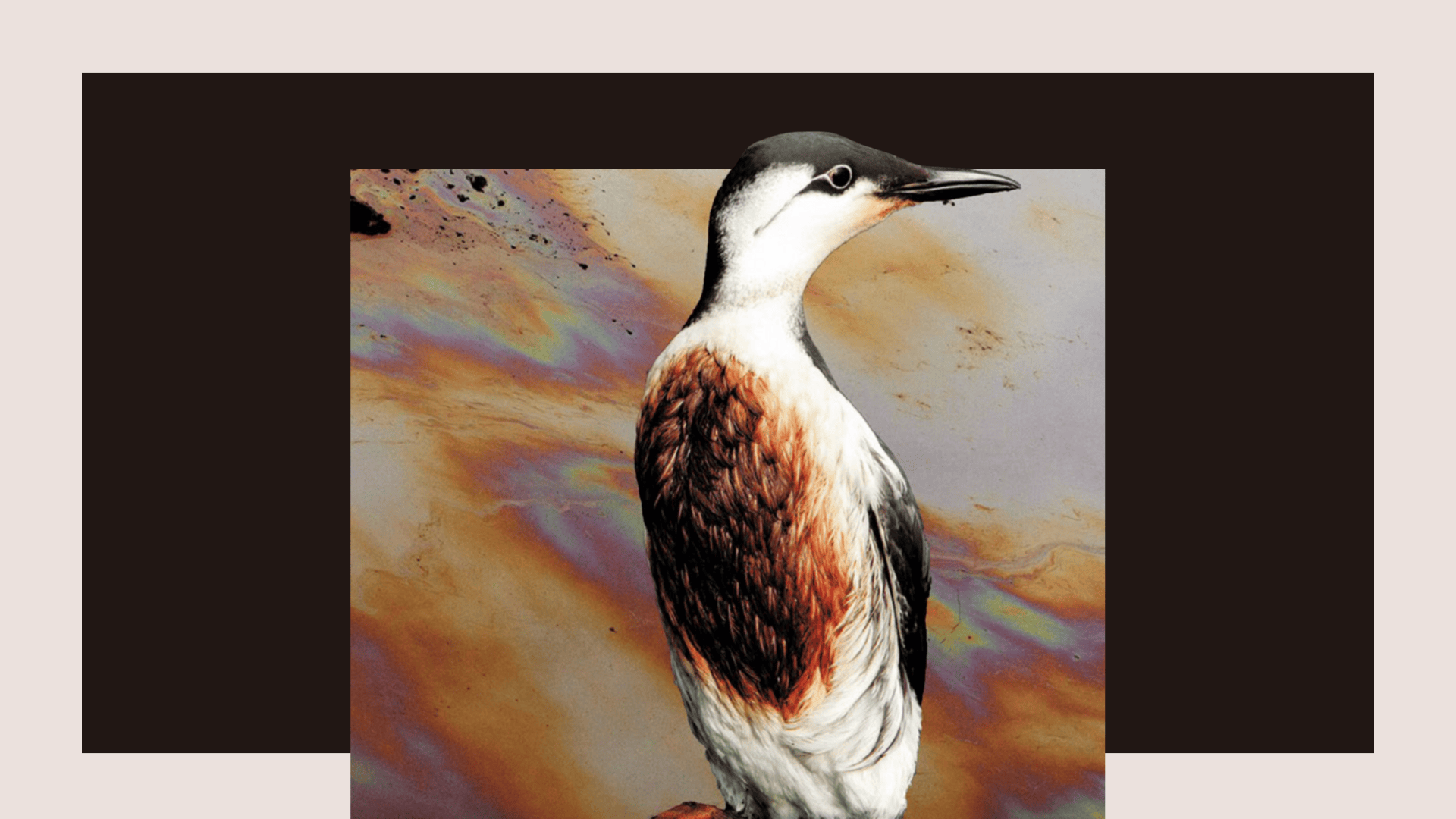
In this Author’s Note, Josephine Taylor outlines the intellectual and ethical foundations of her recent book, The Nonhuman Narratives of Energy, tracing how animal life has been rendered absent within dominant energy narratives. Drawing on animal studies, energy humanities, and science fiction, she argues for an ethics of witnessing multispecies vulnerability as a way to rethink extraction, petroculture, and the possibilities of a world after oil.

In our latest Theory piece, independent curator and writer Vanina Saracino examines how speculative visions of “human photosynthesis” in science fiction unsettle dominant ideas of energy, labor, and survival under capitalism. Through her close readings of Philip K. Dick, Kōbō Abe, and Kim Stanley Robinson, she traces how human metabolic independence emerges as a radical counter to fossil-fuel dependence, challenging extractive logics of growth, consumption, and exploitation while gesturing toward new political, economic, and ecological relations.

Andreas Roos' new book, Solar Technology and Global Environmental Justice: The Vision and the Reality, is both a sober critique of techno-optimistic visions of solar power and a call for “realistic envisioning.” In this Author's Note, Roos discusses the moment he realized that the current structure of solar energy has a darker side, as well as his hope that the book will inspire communities to explore better ways of harnessing solar energy to create new social metabolisms.
