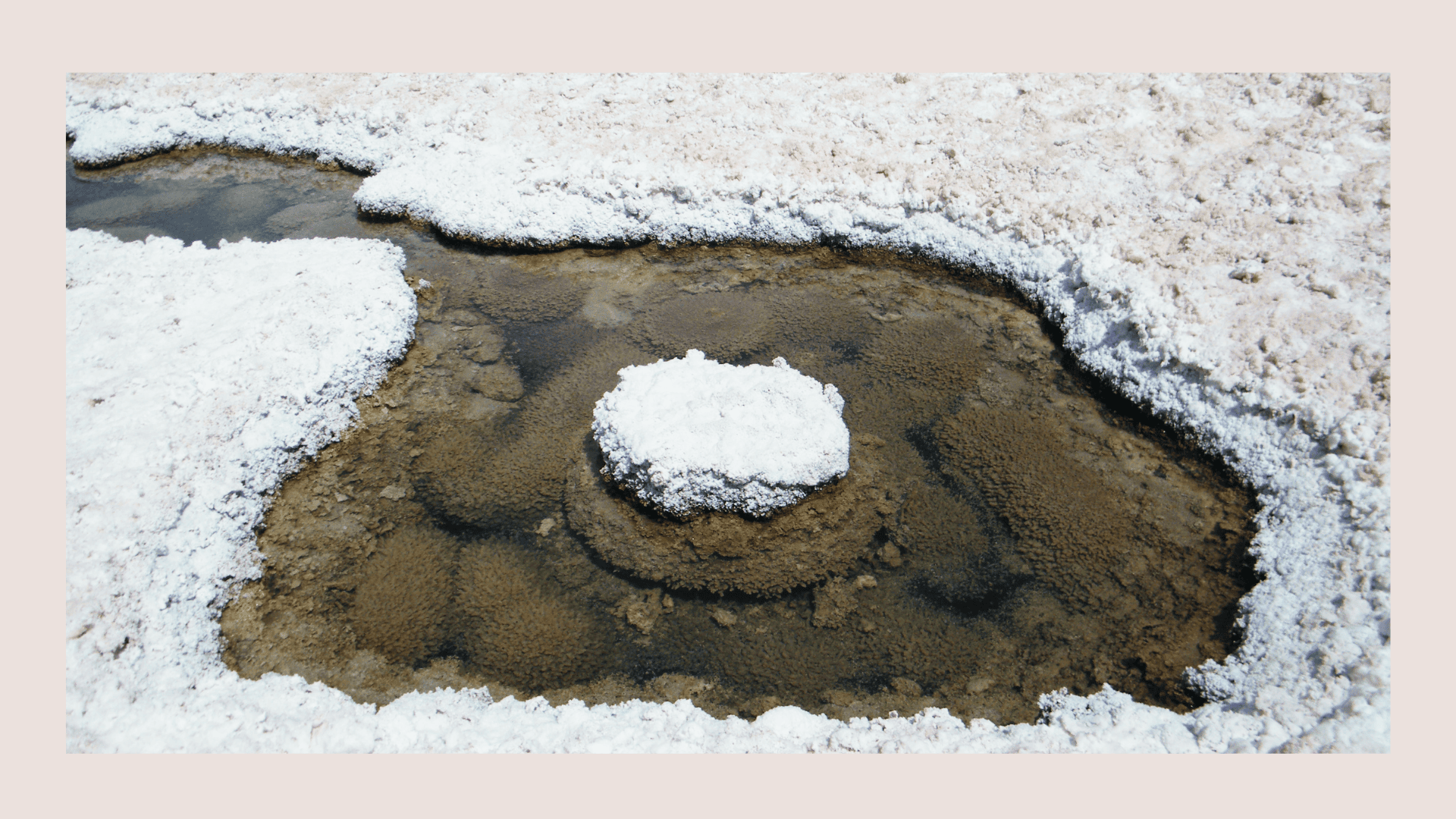
In this thought-in-progress piece, historian Juan Felipe Hernandez Gomez, traces the ecological violence embedded in lithium extraction across two desert sites: Rhyolite Ridge in Nevada and the Salar de Llamara in northern Chile. In the face of the threatened extinction of Tiehm’s buckwheat and the precarity of brine-dependent microbial life, Hernandez Gomez asks what kind of green future is being built when decarbonization depends on new forms of sacrifice.
.jpeg)
In her review of Victor Seow's groundbreaking recent book, "Carbon Technocracy: Energy Regimes in Modern East Asia" (University of Chicago Press, 2021), Elizabeth Miller notes the shared features of modern extractivism that are evident across states and geographies.

Recent discoveries of large oil reserves are poised to make the small country of Guyana one of the world's largest offshore oil producers. In this EH feature, Janette Bulkan explores the enmeshment of the dominant players from Guyana's old and corrupt natural resources sector (gold) in the new oil boom. In both gold and black gold, the lines between formal and informal, licit and illicit are blurred, with state complicity. Political party interests and private interests, transnational and local interests–all are interwoven for narrow personal gains.
Researcher Sydney Hart explains his web-based project to scrutinize the flight networks that support the operations of some of the world's largest gold mining companies. Rather than "flight shaming" individuals, "Mining Maps" shines a light on corporate responsibility for climate change.
