12 Min Read
March 23, 2026
By
Mona Damluji is Assistant Professor of Film & Media Studies at UC Santa Barbara. Her research examines media histories and the cultural politics of energy, cities, and infrastructure in the Middle East and its diasporas. Her book project, Pipeline Cinema, traces how multinational oil companies shaped cultural life in Iran and Iraq through film sponsorship. She is a Peabody and Emmy Award–nominated producer. Open access to Pipeline Cinema is available through Luminos.

This book originated with my first encounter with the 1954 oil film Ageless Iraq on YouTube. This Technicolor documentary presents a positivist account of modernization and development in mid-century Iraq and had gained online popularity (especially among the Iraqi diaspora) following the US invasion and occupation of Iraq and subsequent civil war. Sponsored by the British-controlled Iraq Petroleum Company, the film insists that oil industrialization promised to modernize Iraq—its economy, its built environment, and its society—according to presumed Western ideals of civilizational progress, a narrative that reproduces orientalist binaries of east-west, orient-occident, and tradition-modernity.
I became somewhat obsessed with this film and curious about the nostalgic narratives of Iraq’s “golden age” that its digitization and rediscovery online were generating. Apart from the obvious prejudices of this oil propaganda film, what drew me back to it again and again were questions that could not be easily answered. What compelled neocolonial oil companies in Iraq and other oil-producing countries of the Global South to produce such documentaries? Who participated in their making? Who watched these films and how were they received? What were the social and political stakes of oil company film sponsorship and cinematic representations that claimed to document the culture and history of countries where major oil companies carried out their extractive operations and upon whose resources the economies, military power, and societal status quo of the Global North relied? Pursuing what Thomas Elsaesser describes as the “first line of inquiry” in the study of nonfiction film, these questions initially guided my research across various incomplete and slippery oil and film archives.
When my research began, I had often thought about the oil company rather rigidly, as a kind of abstract monolith, and a villainous one at that. But almost immediately upon beginning this work, I unexpectedly discovered that my great-grandfather was a writer for Iraq Petroleum magazine and thus directly involved in the creation of the cultural milieu of the oil company. Once the BP archive opened windows into my own family history, the vast distance I initially imagined existing between myself and my research collapsed.
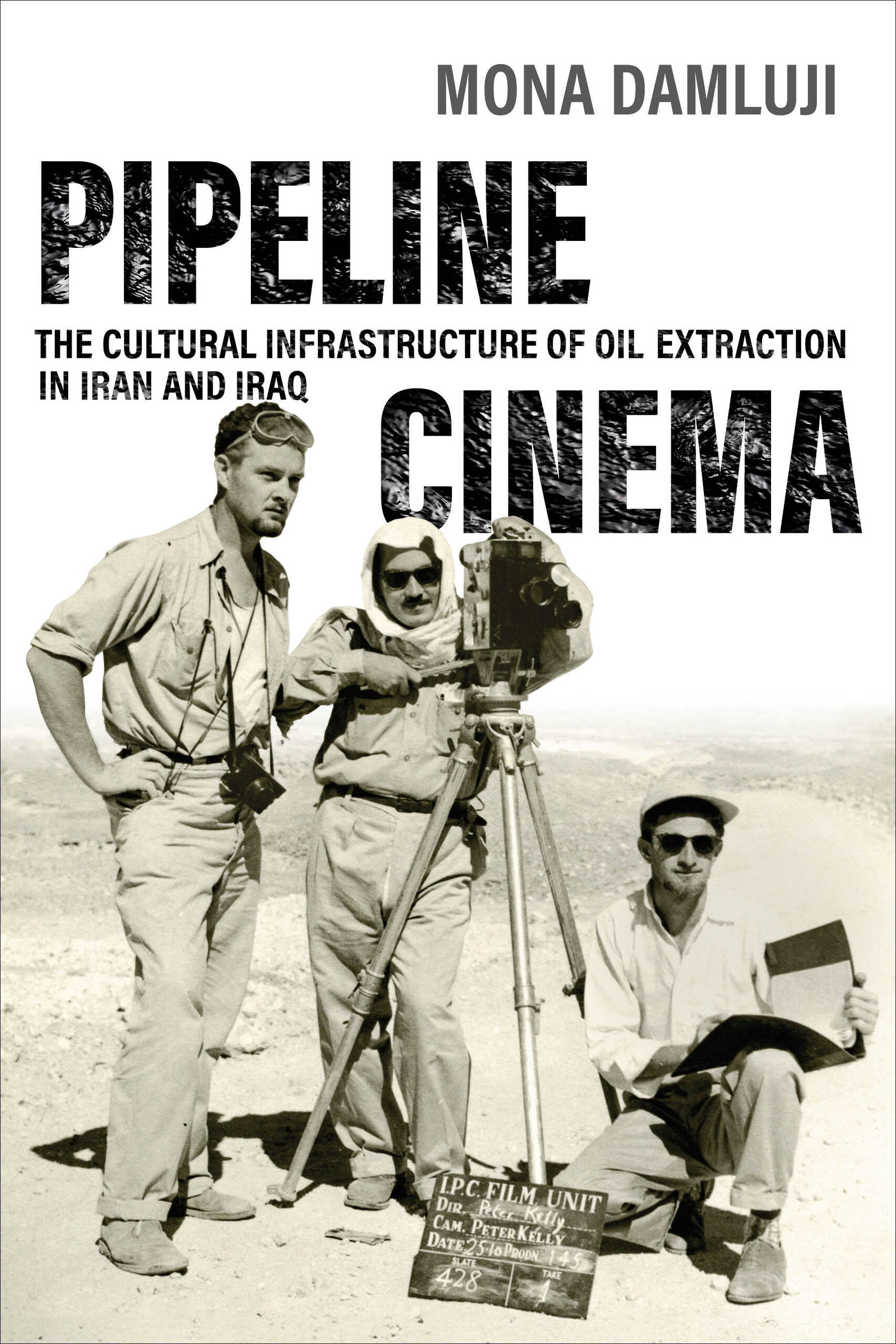
What compelled neocolonial oil companies in Iraq and other oil-producing countries of the Global South to produce such documentaries? Who participated in their making? Who watched these films and how were they received?
While this personal realization did not blunt my critique of the fossil fuel industry’s structural role in causing global warming and its ongoing perpetration of environmental injustices around the world, it did open my mind to the nuance and humanistic perspective required to understand the complex social and cultural landscapes shaped through histories of oil extraction. In Iraq, this of course included members of my family who were paid to participate in the work of making oil extraction a culturally productive encounter.
The complexities of my personal discovery within the corporate archive pushed me to consider how we can hold together a critique of the violence of neocolonial extraction with recognition of the range of human experiences associated with it, including generative cultural engagement. This led me to ask other questions of the archive and to reckon with its irregularities in proffering an abundance of certain voices and silencing others. While writing this book, my attention was continually drawn to individuals who participated in the cultural work of oil extraction, namely, men who simultaneously collaborated with neocolonial institutions and expressed resistance to subordination within them. Who were they, and what motivated them to work within the foreign oil company? How did they navigate the racial and class-based hierarchies imposed by the company on its workers? How were their voices and visions subsumed as corporate propaganda or otherwise? Were they able to reclaim platforms of oil company media through meaningful acts of creative expression? These questions, too, have shaped the histories of oil culture I write in this book.
